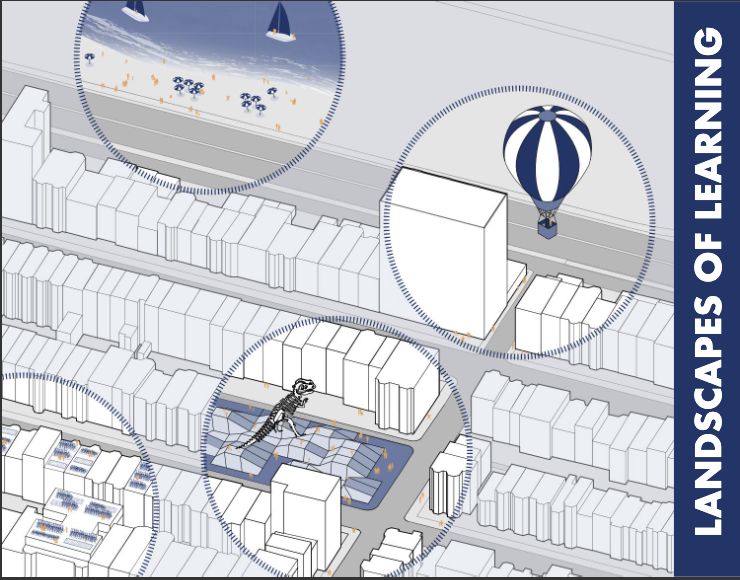
The Master of Architecture (MArch) is a NAAB-accredited, STEM-designated program that prepares innovative students to design within the realities of contemporary urban conditions through a radically pragmatic approach. This professional degree equips graduates to engage with construction industries, preservation practices, policy debates and climate change to develop architectural solutions that make a real difference.
The curriculum features design studios using Boston’s metropolitan area as a laboratory, complemented with seminars in architectural history, theory and design strategy, alongside electives in real estate development, sustainable building and urban landscape. As a culmination to the degree, students participate in a one-year independent Masters Research project developing a shared body of research that informs an independent Design Thesis, while also completing a professional practice sequence.
Three different curricula in the graduate program in Architecture lead to the Master of Architecture (MArch) degree:
- One-year track for students with a Bachelor of Science (BS) in Architecture from Northeastern University. Students with a professional Bachelor of Architecture degree from an accredited North American program with at least one year of IDP-approved professional experience may also be eligible.
- Two-year track for students with a BS in Architecture or equivalent from another US institution or a B.Arch degree from an institution outside the U.S. (All applicants to the 2-year program must submit a portfolio and evidence of sufficient coursework in building technology. Admission is at the discretion of the admissions committee, and decisions are made on a case-by-case basis.)
- Three-year track for students without a pre-professional bachelor’s degree in architecture. (Advanced placement available.)
Apply Now
Application Deadlines + Requirements
The School of Architecture aims to create an inclusive and equitable learning environment, as such we aim to reduce costs by minimizing material and textbook requirements in our courses. While the School of Architecture does provide access to most software licenses and some model making materials, students will also be required to procure their own materials and can choose materials based on their personal budgets.
The cost per credit can be found here while the total number of credits required per program can be found here.
Depending on which program students are enrolled in, students can expect to spend a minimum of $300 per studio. Students can expect to incur a one-time expense for a suitable laptop in the range of$2000-$3500.
Learning Outcomes
Students who graduate from Northeastern University with a degree in architecture, architectural studies or landscape architecture will be able to:
- Utilize design processes and two- and three-dimensional representation skills for deciphering, communicating, and shaping the built environment.
- Analyze the reciprocal influences among global socio-cultural and historical contexts, built environments, and the communities that inhabit them.
- Apply knowledge of design methods that ensure sustainability, resilience, health, safety, and welfare in the built environment.
- Acquire skills of communication and collaboration necessary for managing complex projects and working with diverse constituents.
- Demonstrate knowledge of fundamental constructions systems and how building technologies impact the built environment.
- Employ research methods to analyze and decipher complex environments.
- Identify the diverse range of professional practices and regulations applicable to designing the built environment.
- Understand the ethical responsibilities involved in designing the built environment.
Degree
Master of Architecture
Duration + Credits
1-Year Track: 32 credits
2-Year Track: 60 credits
3-Year Track: 100 credits
Location
Boston
Format
In-person
Type
STEM-designated