Media Advocacy, MS

Uniquely designed through a collaboration between the College of Arts, Media and Design and the School of Law, the MS in Media Advocacy is an interdisciplinary degree focused on the intersection of communication, digital media, law and policy. It is designed to teach strategic advocacy skills and prepare graduates to succeed as resilient, media-empowered citizens in a global society.

Request More Information

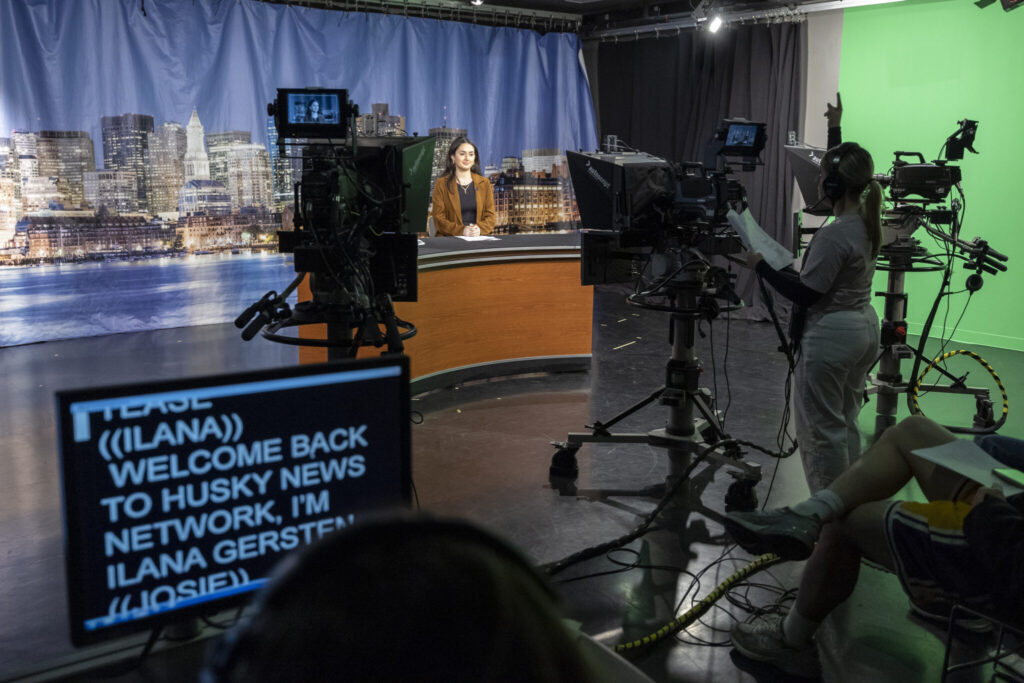
The Master of Science in Media Advocacy program, developed collaboratively between CAMD and the School of Law, equips students with the powerful persuasion strategies needed for today’s media-saturated environment. This first-of-its-kind degree integrates data analytics, information visualization, documentary production and digital media while offering specializations in civil rights, environmental policy and experience design. 

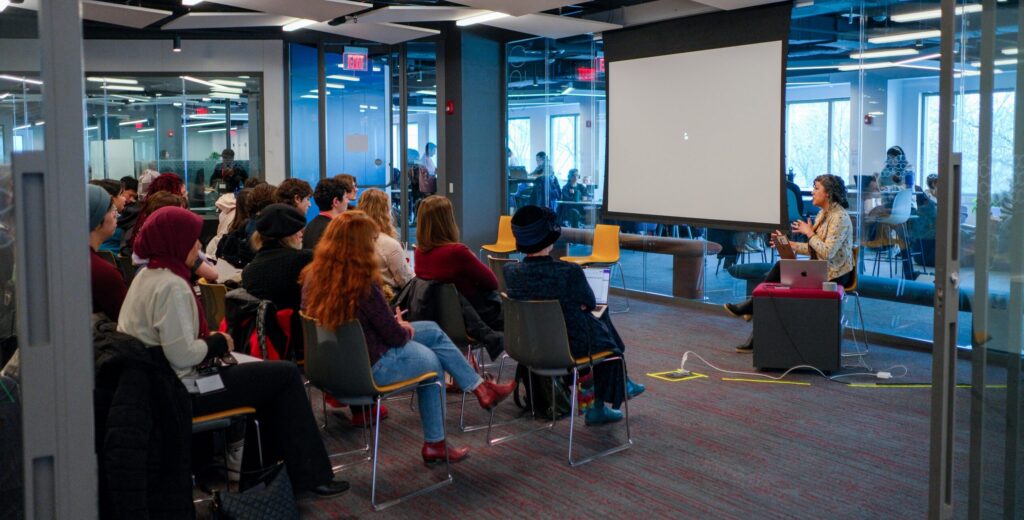
The 32-credit curriculum features core courses such as Media Theory, Research Strategy, Law and Policy, and Ethics of Advocacy, which will prepare students to navigate the new world of strategic communication in which virtually every major organization is seeking professionals able to project the organization’s vision with research-driven strategic communication techniques. Graduate students in this program will become a part of the dynamic media innovation communities organized around Storybench, The Scope, NuLawLab and the Center for Law, Innovation and Creativity. The program is typically completed in three semesters with scholarship and assistantship opportunities available.

Apply Now

Application Deadlines + Requirements

Scholarships + Assistantships


Learning Outcomes

  1. Understand the media institutions, advocacy organizations and other stakeholders affecting digital advocacy.
  2. Develop deep knowledge of several key historic case studies in advocacy as well as contemporary case studies in advocacy.
  3. Build basic facility with some of the digital tools underlying effective communication.
  4. Apply knowledge of the cognitive and behavioral science underpinning 21st century advocacy, from political campaigning to issue-based advocacy.
  5. Understand the legal levers that drive policy change.
  6. Understand how to tailor arguments most effective with different constituencies for advocacy work.
  7. Research and produce advocacy stories across a range of media.
  8. Identify patterns in media innovation in advocacy.
  9. Develop subject expertise on specific advocacy issues.
  10. Hone research methods that underpin successful communication and advocacy strategies.
  11. Develop digital skills for advocacy storytelling.
  12. Develop subject expertise on specific advocacy issues.

Degree

Master of Science

Credits

32

Duration

1.5 Years

Location

Boston

Format

In-person

 

Share

Strategic Communication for Global Impact

The Media Advocacy program prepares graduates to lead mission-advancing efforts across diverse organizations from advocacy groups and nonprofits to government affairs departments, applying cognitive and behavioral science principles to tailor arguments effectively for different constituencies. 

View the Curriculum

Course Catalog

SAMPLE PLAN OF STUDY

Specialized Advocacy Expertise

Students specialize in areas like civil rights, environmental policy or experience design while developing deep knowledge through historic and contemporary advocacy case studies.

Research + Media Production

The curriculum emphasizes research methods for successful advocacy strategies, with students learning to produce advocacy stories across multiple media formats.

Strategic Communication + Digital Tools

Students develop research-driven communication techniques and multimedia skills, building facility with digital tools that underpin effective advocacy across various platforms.

Legal Framework + Policy Analysis

Students gain an understanding of the legal levers that drive policy change while analyzing media institutions, advocacy organizations and stakeholders affecting digital advocacy.

Career Opportunities

Graduates of the Master of Science in Media Advocacy are equipped to drive meaningful social change through strategic communication grounded in legal understanding and innovative storytelling. They combine a strong foundation in governmental and legal systems with advanced skills in data-driven narratives, multimedia production and emerging technologies. Whether shaping public policy discourse or engaging communities through immersive media, they use their expertise to influence cultural, political and social conversations. Through interdisciplinary training that blends advocacy, journalism and law, graduates become powerful communicators who create compelling stories that inspire action and promote justice across diverse communities. 

Our program prepares students for careers such as: 

  • Fundraising Managers 
  • Writers 
  • Podcast Hosts 
  • Coordinators  
  • Project Managers 
  • Marketing Specialists  

Industries where our students work include: 

  • Non-profit 
  • News 
  • Entertainment  
  • Tech 
  • Public Relations 
  • Education 

Students

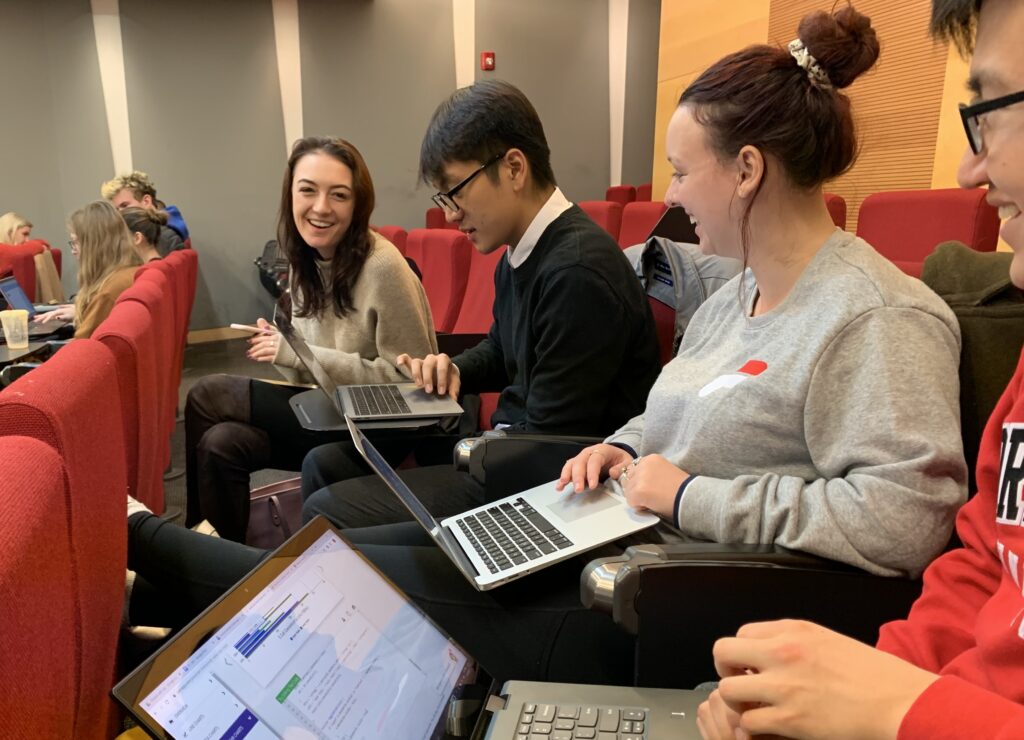
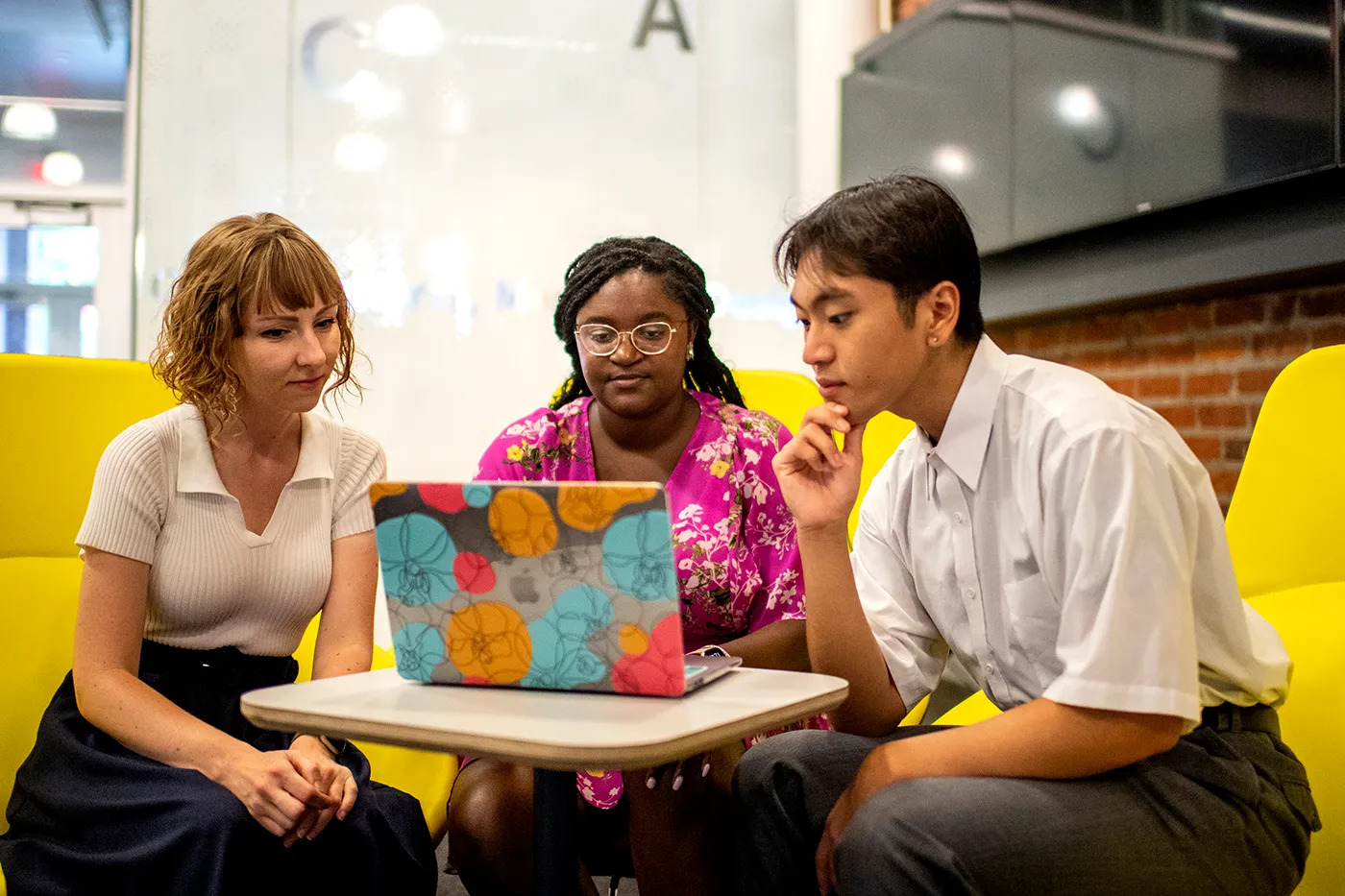
Our Media Advocacy program attracts students from diverse backgrounds such as communication, law, social justice, technology and media production. The program’s collaborative approach welcomes anyone passionate about using media and strategic communication to drive social change. Whether your focus is on civil rights, environmental policy or community engagement, the program equips you with the proper advocacy skills, legal knowledge and multimedia storytelling techniques that are needed to create powerful campaigns and unique media that influences public discourse and promotes justice and inclusion.  

After graduation, our alumni have gone on to roles including: 

  • GBH (Host) 
  • Prosek Partners (Account Executive)  
  • Weber Shandwick (Media Relations Associate)  
  • Cushman and Wakefield (Tenant Experience Coordinator) 
  • Abundant Housing MA (Senior Manager of Communications and Media Advocacy) 
  • San Francisco Giants (Tours Operations Coordinator)

Journalism

Resources + Community

Admissions Contact

Program Coordinator

Faculty