
Communication Studies
The Communication Studies Department’s dynamic undergraduate curriculum and flexible requirements allow students to forge a distinctive niche within the vast and varied communication landscape, while our diverse professional network affords a wide spectrum of co-op and experiential learning opportunities, in Boston and around the world—enabling students to gain practical experience and build connections that will form the cornerstones of a successful career after graduation.


“
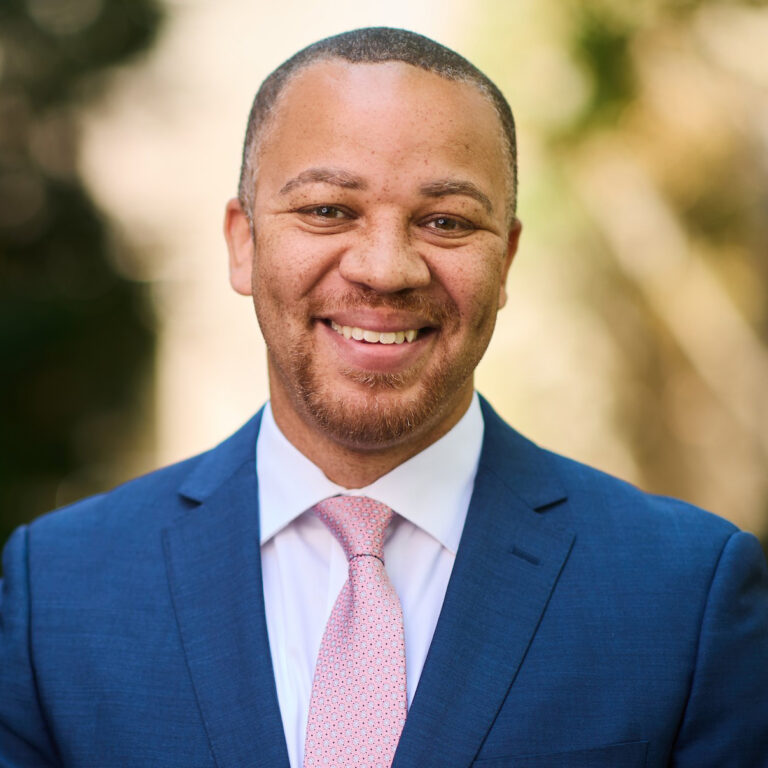
Our program offers an interdisciplinary, experiential approach to the study and practice of communication. Students and faculty work together to make sense of a complex world - navigating change, fostering connection, and creating meaningful impact across interpersonal, digital, and mass media spaces.
Susan Mello
Interim Chair, Department of Communication Studies


Co-ops and Student Opportunties
Learn more about the co-op program, travel study opportunities, internships, and other opportunities to get involved.
Student Work Highlights

Nobody Ever Does That!
Communication Studies
Watch the short film created in MSCR 1230: Introduction to Film Production.

Zine
Communication Studies
A zine exploring the effects of imposter syndrome on non-men in the music industry.

What if?
Communication Studies
Class: MSCR 1230 Introduction to Film Production sec. 2 Instructor: Seth Mulliken, Assistant Teaching Professor Spring 2018

Addressing Science-related Misinformation: Exploring Cross-Cultural Differences and NGO Responses
Communication Studies
The key focus of the research is the relationship between vaccine hesitancy and climate change denial because of misinformation, specifically on how it is perceived because of social media.

Final Campaign Pitch Competition
Communication Studies
Susan Mello, Assistant Professor, Communication Studies Class: COMM 4102 Health Communication Campaigns Spring 2018
Addressing Science-related Misinformation: Exploring Cross-Cultural Differences and NGO Responses
Communication Studies
The key focus of the research is the relationship between vaccine hesitancy and climate change denial because of misinformation, specifically on how it is perceived because of social media.
Final Campaign Pitch Competition
Communication Studies
Susan Mello, Assistant Professor, Communication Studies Class: COMM 4102 Health Communication Campaigns Spring 2018
Nobody Ever Does That!
Communication Studies
Watch the short film created in MSCR 1230: Introduction to Film Production.
Zine
Communication Studies
A zine exploring the effects of imposter syndrome on non-men in the music industry.
What if?
Communication Studies
Class: MSCR 1230 Introduction to Film Production sec. 2 Instructor: Seth Mulliken, Assistant Teaching Professor Spring 2018
Carousel with one slide shown at a time. Use the Previous and Next buttons to navigate.
Final Campaign Pitch Competition
Communication Studies
Susan Mello, Assistant Professor, Communication Studies Class: COMM 4102 Health Communication Campaigns Spring 2018
Nobody Ever Does That!
Communication Studies
Watch the short film created in MSCR 1230: Introduction to Film Production.
Zine
Communication Studies
A zine exploring the effects of imposter syndrome on non-men in the music industry.
What if?
Communication Studies
Class: MSCR 1230 Introduction to Film Production sec. 2 Instructor: Seth Mulliken, Assistant Teaching Professor Spring 2018
Addressing Science-related Misinformation: Exploring Cross-Cultural Differences and NGO Responses
Communication Studies
The key focus of the research is the relationship between vaccine hesitancy and climate change denial because of misinformation, specifically on how it is perceived because of social media.

Featured Courses
Explores media's role in movements for social, economic, and cultural change. Specifically examines how people use media technologies to organize themselves and communicate their message to wider audiences to achieve social change. As a way to develop and improve ethical reasoning, students are asked to think about the accountability of media institutions and actions of groups and individuals who use media technologies and tactics in the name of social change.
Offers advanced training in video production techniques, emphasizing remote location shooting. Includes location scouting, production budgets, writing techniques, equipment location, postproduction editing, and content analysis. Covers the fundamentals of single-camera field production and the nonlinear editing process. Offers students an opportunity to work in teams to produce and direct television using remote video equipment.
Analyzes the narrative conventions of the true crime genre and explores the historical and cultural origins of true crime as a storytelling mode. Examines the industry conditions that affect true crime coverage and analyzes the social and political dynamics that shape and are shaped by true crime narratives in commercial media.
Introduces concepts and professional best practices in social media analytics. Offers hands-on instruction in analytic techniques for Facebook, Twitter, and other social media platforms, including experiments and observational analyses.
Develops frameworks and conceptual tools for understanding the world of sports marketing and promotion in an increasingly global and interconnected world. Drawing on examples from domestic and international sports promotional campaigns and academic literature, explores the promotion of sports at the professional, collegiate, and special event levels. Focuses on the role marketing plays in attracting fans and sponsors and communicating effectively with the public.
Explore crucial questions about emerging XR (extended reality) technologies in fields from psychiatry to education to gaming, including their promise and limitations for various industries. Develop analytical tools for understanding the social/institutional landscape of XR and gain experience with various digital content creation tools and presentation formats, including the creation of a prototype for an innovative XR application.
Provides students with an opportunity to better understand freedom and limits to freedom, particularly in the realm of speech and expression. Materials covered range from the philosophy of freedom to historical legal cases about free speech and the press to political correctness and the repression of dissent.
Examines theories, models, and strategies related to crisis communication and establishes ethical principles regarding what, how, and when essential elements must be employed for effective and ethical crisis communication. Offers students an opportunity to learn how to distinguish between an incident and a crisis; to analyze communication practices and methods applied during a crisis; to apply social scientific theory to explain how and why a crisis occurred; and to draw upon theory



What’s happening in Comm Studies

Professor Alan Zaremba's New Book Published by Kendall Hunt
Associate Professor of Communication Studies Alan Zaremba's new book on sports ethics was published by Kendall Hunt.
October 30, 2025

Professor Craig Robertson Publishes Book about Rocker Chris Knox
Craig Robertson, Professor of Communication Studies, publishes his book on indie rocker Chris Knox with Auckland University Press.
October 29, 2025

CTM Director Appointed ICA Mobile Communication Division Chair
Congratulations to Adriana de Souza e Silva on being appointed Chair of The International Communication Association's Mobile Communication Division! Her tenure as Chair of the Division will run from 2025-2027.
September 26, 2025

'The Brutalist' used AI. Is that a bad thing?
Communication studies professor Rupal Patel and Rebecca Kleinberger, assistant professor of music, provide insight into why this Oscar-contender used AI to enhance the Hungarian spoken by Adrian Brody and Felicity Jones.
January 23, 2025
Get in touch

Take the next step