Experience Design, MS

Experience Design is a holistic and integrative approach to design that focuses on the quality of the human experience in concrete situations. It employs investigation, analysis, creativity and technology as tools to understand human goals, needs, and desires and to mediate the human experience. The Experience Design program at Northeastern University embraces research-driven design thinking for entrepreneurship and innovation, focusing on important global challenges of today.

Request More Information

The Master of Science in Experience Design is a STEM-designated program that prepares innovative students to reimagine interactions between people, environments, and technology through human-centered design approaches. This professional degree equips graduates to analyze real-world situations and orchestrate new design-driven relationships across physical and virtual systems.

The 32-credit curriculum features core courses in Research Methods, Experience Design Studios, Design Systems, Notational Systems, and Design for Design for Behavior and Experience, complemented with a handful of specialized electives that students can choose from. Students join a diverse community with access to exhibitions, lectures, and workshops while developing the interdisciplinary collaboration skills needed for success in design agencies and innovative industries. This program is typically completed within two semesters with scholarship and assistantship opportunities available.

Apply Now

Application Deadlines + Requirements

Scholarships + Assistantships

Learning Outcomes

  1. Apply iterative design processes to create, revise, evaluate, and develop effective prototypes and innovative solutions.
  2. Engage human-centered design research methods and systems thinking to identify and understand values, goals, motivations of intended audiences as a mode of inquiry, question framing and guide to action.
  3. Develop a high level of craft and technical skills in a relevant range of media and tools and effectively weigh applicability for intended audiences and outcomes.
  4. Develop and realize intent, concept and content with awareness of context and consequence.
  5. Implement visual patterns incorporating text, image, diagram including temporal and spatial representations to recognize, categorize, and articulate significant form and meaning
  6. Employ and embody ethical practices, team and cross-disciplinary collaboration, and effective communication and presentation skills.
  7. Apply relevant communication theories and principles and appreciate the pervasive and long-term impact of design decisions on people and societies.

Degree

Master of Science

Credits

32

Duration

1 Year

Location

Boston

Format

In-person

Type

STEM-designated


Share

Design The Experiences That Matter

The Experience Design program emphasizes cross-disciplinary collaboration and effective communication skills, with curriculum covering the implementation of visual patterns using text, image, and diagrams including temporal and spatial representations to articulate significant form and meaning. Students also learn to develop and realize design intent with full awareness of context and consequence, while embodying ethical practices throughout their work. 

View the Curriculum

Course Catalog

Sample Plan of Study

Human-Centered Research + Systems

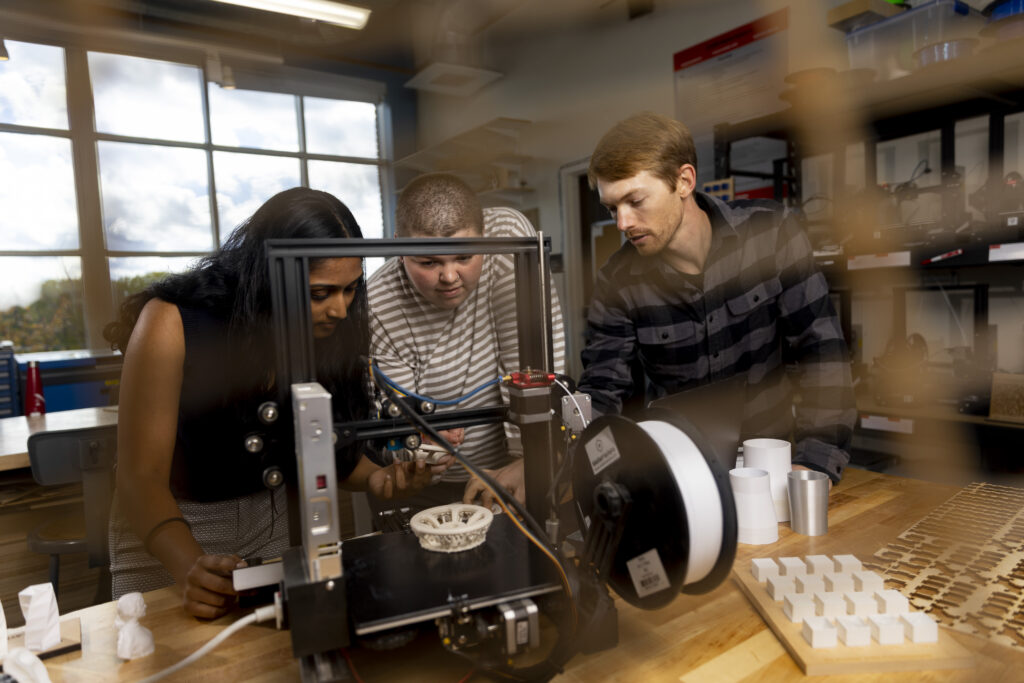
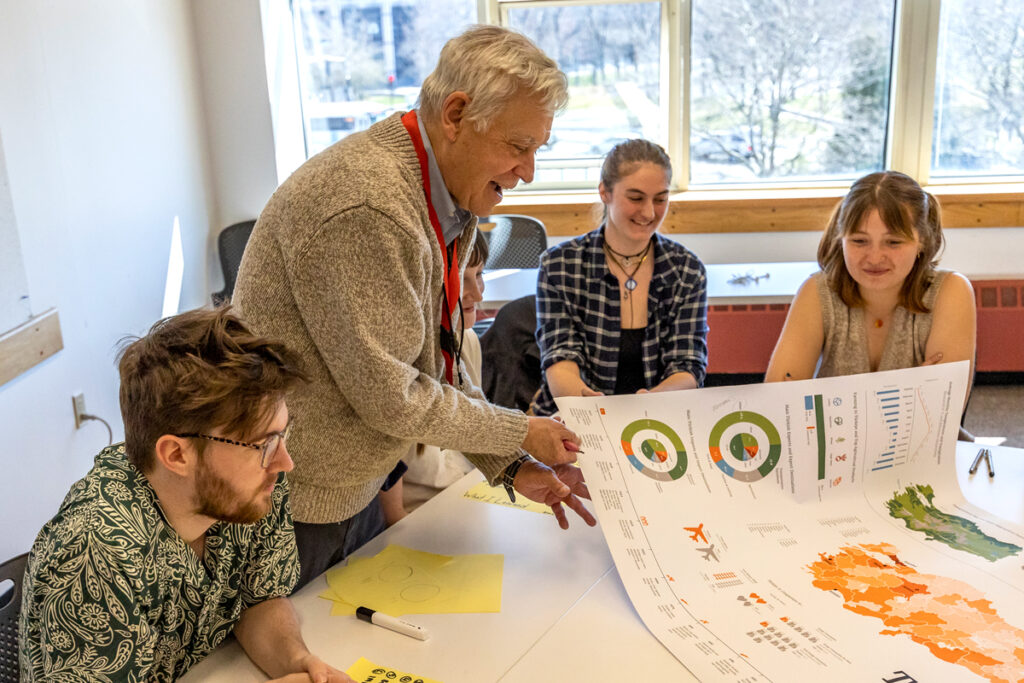
Students master design research methods and systems thinking to deeply understand audience values, goals, and motivations that drive effective design solutions.

Iterative Prototyping + Innovation

The program teaches students to apply iterative design processes for creating, evaluating, and developing innovative prototypes and solutions.

Social Impact + Theory

Students apply relevant communication theories and principles while developing awareness of how design decisions create pervasive and long-term effects on people and societies.

Visual Communication + Interaction

The curriculum covers implementing visual patterns with text, image, and diagrams including temporal and spatial representations to articulate significant form and meaning.

Career Opportunities

Graduates of the Master of Science in Experience Design are transforming how companies connect with their audiences and users through thoughtful, data driven design solutions. Our graduates have a unique toolkit that consists of analytical thinking, creative problem solving, and technical design skills that enable them to tackle complex design projects and challenges across industries. Whether it be reimagining healthcare experiences, crafting digital products for emerging companies, or creating fresh and innovative designs for established companies, they are creating a more intuitive and impactful user experience across the globe.

Our program prepares students for careers such as:

  • Experience designer
  • UX designer
  • Service designer
  • Design researcher
  • Design strategist
  • Design manager
  • Product manager

Industries where our students work as designers include:

  • Technology companies
  • Healthcare organizations
  • Finance companies
  • Educational organizations
  • Public service
  • Creative industries
  • Design agencies and consulting
  • Exhibition and museum design
  • Startups
  • Research institutes
  • Non-profits

Students

Students come from a range of academic backgrounds such as humanities and social sciences, engineering, science and healthcare, business and management, as well as art and design. We receive applications from countries in five continents and are proud of the international cohort that makes up this program. 

Many students want to transition into experience design roles and other creative endeavors or enrich their design expertise and qualifications. Others are currently working in the field but are looking to master emerging technologies and grow their knowledge to better position themselves for management roles. This program welcomes anyone interested in applying human-centered design thinking and rigorous methods across diverse industries. 

After graduation, our alumni have gone on to roles including:

  • Amazon (UX Designer) 
  • CVS Health (UX Researcher) 
  • edX (Product Manager) 
  • Ellena C. (Marketing and Business Development Lead) 
  • Google (Product Designer) 
  • JP Morgan Chase & Co. (UX Research Lead) 
  • Mad*pow (Creative Director) 
  • Network Science Institute (Program Manager) 
  • Pinterest (Product Designer and Researcher) 
  • Travelers (Experience Design Lead) 
  • Tufts University (Design Strategist) 
  • University of Pittsburgh Medical Center (Experience Designer) 
  • Valour (Service Designer) 
  • Visa (Data Visualization Designer) 
  • Vorn (Vice President, Client Experience and Strategy) 


Art + Design

Resources + Community

Admissions Contact

Program Coordinator

Faculty

Art + Design

Miso Kim

Director of CAMD Masters Programs, Associate Professor