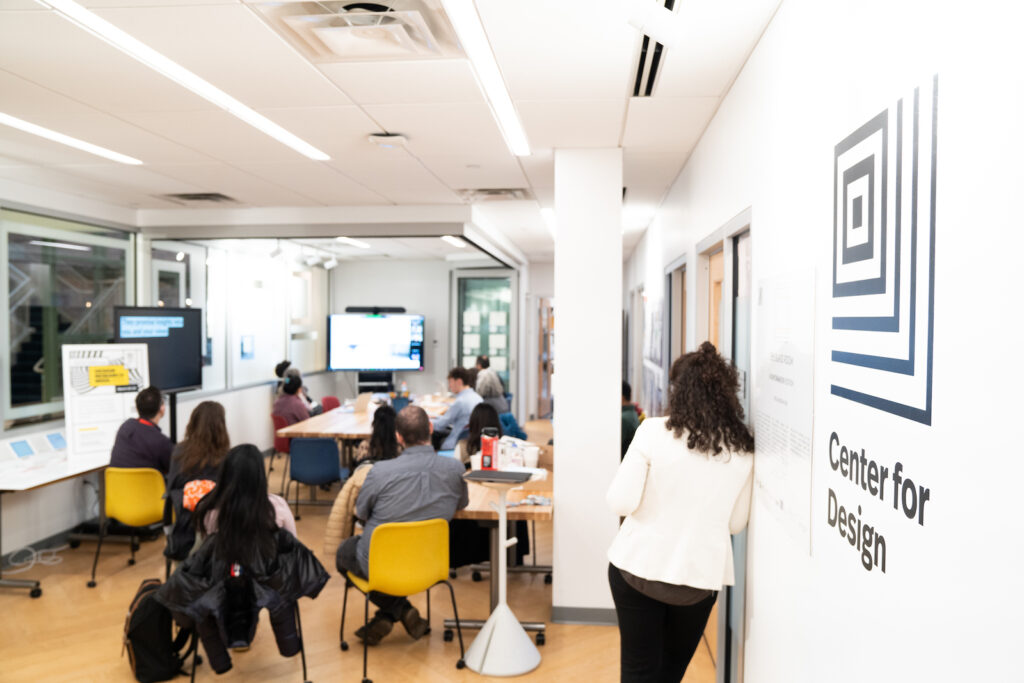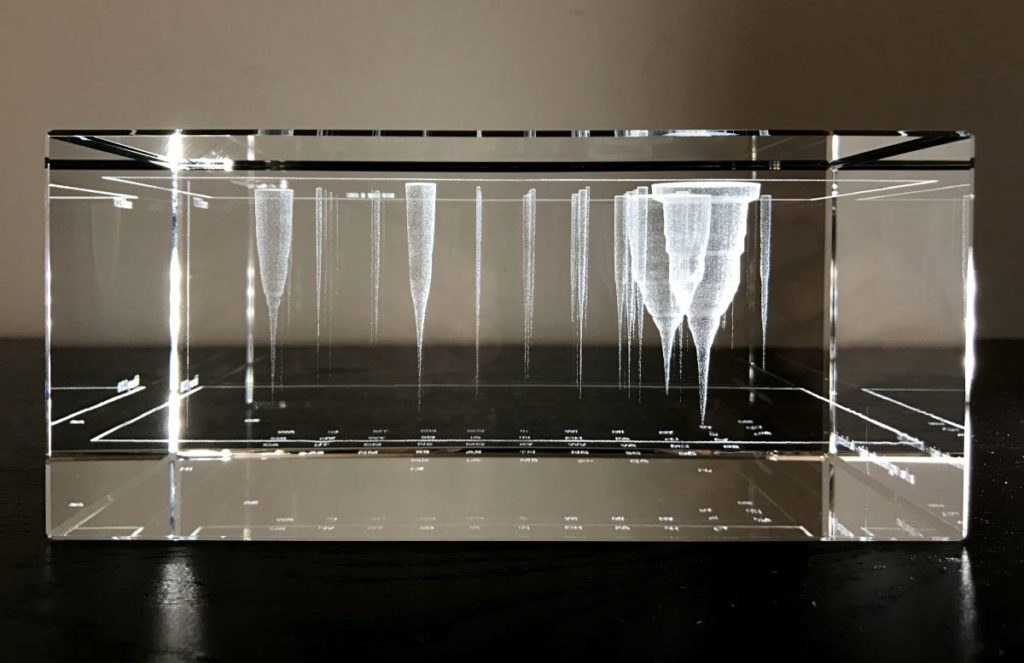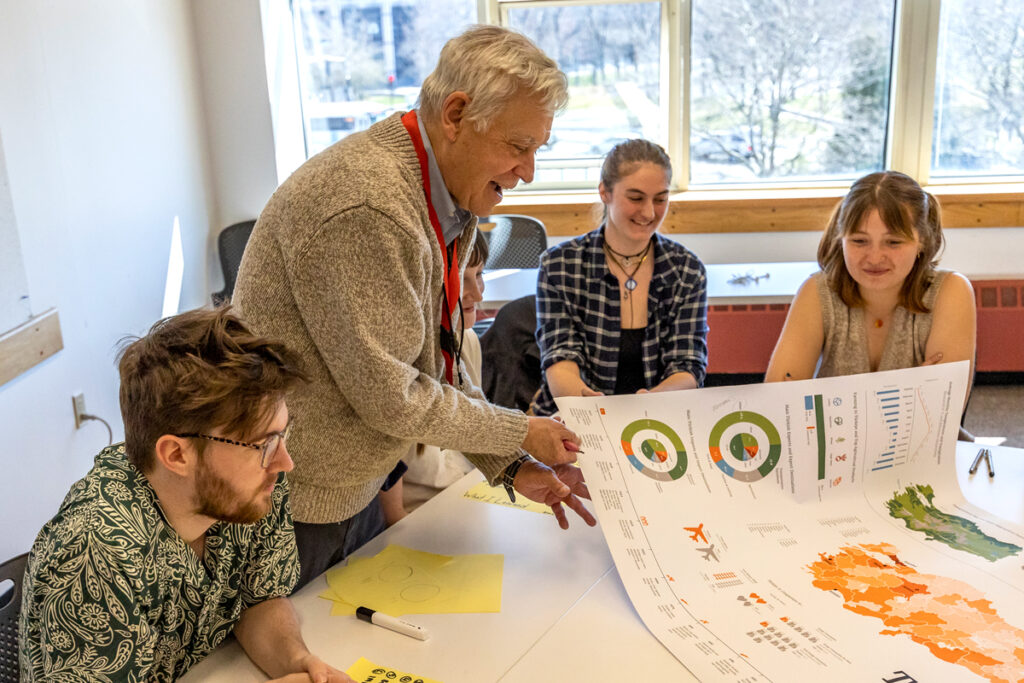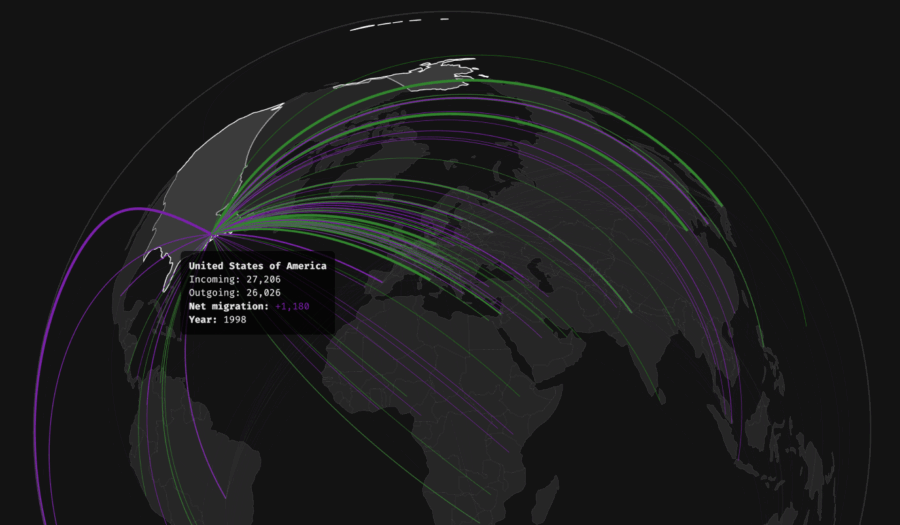
The MFA in Information Design and Data Visualization (IDDV) is a STEM-designated program that trains students in harnessing visual languages to support discovery and communicate information across a range of disciplines. Students gain an understanding of translating data and information into visual languages and learn to integrate theoretical, cognitive, visual, and technical aspects of visualizations that engage a broad range of audiences. Our students have the unique advantage of studying at a major research university known for interdisciplinary collaboration located in Boston, a global center for technology, science, and education and a hotspot for information design and data visualization. We seek applicants from diverse backgrounds who are interested in exploring data, visual and auditory design, perception and creative inquiry. Practicing professionals and recent undergraduates in a variety of fields (architecture, graphic design, journalism, communications, business, the humanities, and sciences) who desire a fluency in designing information should apply.
The program intends to produce professionals skilled in design principles and practices needed to assume leadership roles in an evolving interdisciplinary field. Graduates will be able to collaborate effectively in the dynamic and burgeoning field of information design and data visualization practice and research as well as be prepared to work in design agencies, research institutions, companies, and public institutions. Students will also be well positioned to pursue PhDs and academic careers.
The MFA degree requires 60 credit hours over two academic years, with an option to engage in Northeastern’s renowned cooperative education (co-op) program. A thesis project, a written thesis, and an accompanying work exhibition in our thesis show are required. The program offers studio courses and seminars in design, data analysis, programming, research methodologies, and historical and cultural literacy plus lectures from visiting artists, designers, and researchers.
Apply Now
Learning Outcomes
Students will gain the skills to design and implement visual and interactive information displays that clarify complex matters, explain processes, reveal insights, elucidate concepts, and relate stories. The program will guide them how to:
- Develop confidence using quantitative and qualitative design research methods to collect small and large data sets. Analyze and synthesize different types of data to inform decisions throughout the visualization process.
- Engage in critical analysis of data types from multiple sources, case studies, and scenarios of varying levels of complexity. Demonstrate an understanding of visual cognition principles and core techniques and approaches to effectively visualize and map data.
- Combine data sensitivity and analytical methods with design principles to translate ideas and complex issues into graphic forms and visual communications. Create visualizations that reveal meaningful patterns and narratives using a range of techniques and modalities.
- Articulate and develop visual literacy on information design and visualization history, methods, and processes. Develop critical language to assess the quality, effectiveness and efficiency, and ethical considerations of data-driven interventions.
- Represent data using multiple visual languages and formats. Design engaging interactive, data-driven communication and installations, and build compelling data arguments addressing cognitive and perceptual principles.
- Engage in critical analysis of the work of predecessors and peers, as well as, case studies from related design practices and other scholarly disciplines. Initiate, scope, develop, and defend compelling original research and/or design work that reveals new knowledge or understanding of a subject in the form of a graduate design thesis.
Degree
Master of Fine Arts
Credits
60
Duration
2 Years
Location
Boston
Format
In-person
Type
STEM-designated