Design, MFA

Northeastern’s MFA in Design prepares you to use design principles and research to create solutions to real-world challenges. The theory and execution-based curriculum is centered in creative and critical practice.

Request More Information

Design is a powerful force—touching all types of societal challenges. Northeastern’s Master of Fine Arts in Design is a terminal degree rooted in critical and creative inquiry, offering students from all backgrounds an interdisciplinary, solutions-agnostic design education.

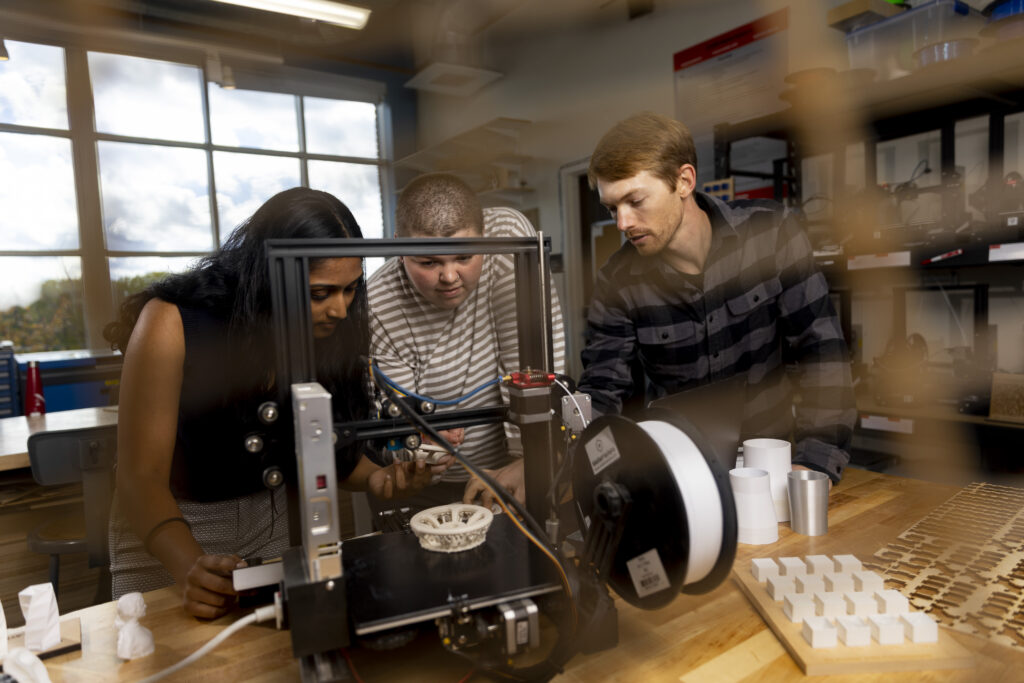
Throughout the two-year program, you’ll combine in-depth design theory with real world practice and cutting-edge technologies, mastering design process and research, human-centered design, experience design, information design, interaction design, human-computer interaction, systems thinking, speculative design, and social design as you build toward your thesis focusing on a subject in which you want to develop true expertise.

Apply Now

Application Deadlines + Requirements

Scholarships + Assistantships


Learning Outcomes

Research: Develop confidence using quantitative and qualitative design research methods, experimentation, and reconnaissance for design projects. Analyze and synthesize different types of data to inform decisions throughout the design process. Develop exploratory, evaluative investigations into human behavior, embodied forms of knowing, and lived human experience.

Interpret: Engage in critical analysis of data types from multiple sources, case studies, and scenarios of varying levels of complexity. Demonstrate the theoretical and practical value of “thinking in systems”, the power of abstraction, good models, and their relevance to design. Develop novel strategies for applying core systems concepts, principles of cognition, as well as models to design projects.

Make: Combine a working knowledge of analytical methods and personal practice with design principles to translate ideas and complex issues into proposal for systems, artifacts, communication, graphic forms, information flows, environmental conditions, or service offerings that reveal meaningful patterns and narratives and impact human experience using a range of techniques and modalities.

Critique: Articulate and develop literacy in design methods, history, and processes. Develop critical language to evaluate the quality of any design project in terms of its values, consequences, effectiveness, and sufficiency or efficiency in helping people understand, improve or accomplish their intentions, possibilities, or goals.

Present: Identify and compare methods for the representation of data, needs, values, goals, intentions, and actions of people. Model system aspects, components, relationships and interactions, in a coherent, holistic manner. Use multiple visual languages, formats and prototypes to build compelling arguments that consider cognitive and perceptual principles, and represent aspects that change over time as part of any series of events or experience.

Investigate: Engage in critical analysis of the work of predecessors and peers as well as, case studies from related design practices and other scholarly disciplines. Initiate, scope, develop, and defend compelling original research and/or design work that reveals new knowledge or understanding of a subject in the form of a graduate design thesis.

Degree

Master of Fine Arts

Credits

60

Duration

2 Years

Location

Boston

Format

In-person

Type

STEM-designated
 

Share

Design Solutions for Global Human Challenges

Students develop the ability to realize design intent with full awareness of context and consequence, applying relevant communication theories and principles throughout their work. The program prepares graduates to appreciate how design decisions create lasting impacts on people and societies, ensuring they approach experience design with both technical competence and social responsibility.

View the Curriculum

COURSE CATALOG


Human-Centered Research + Systems Thinking

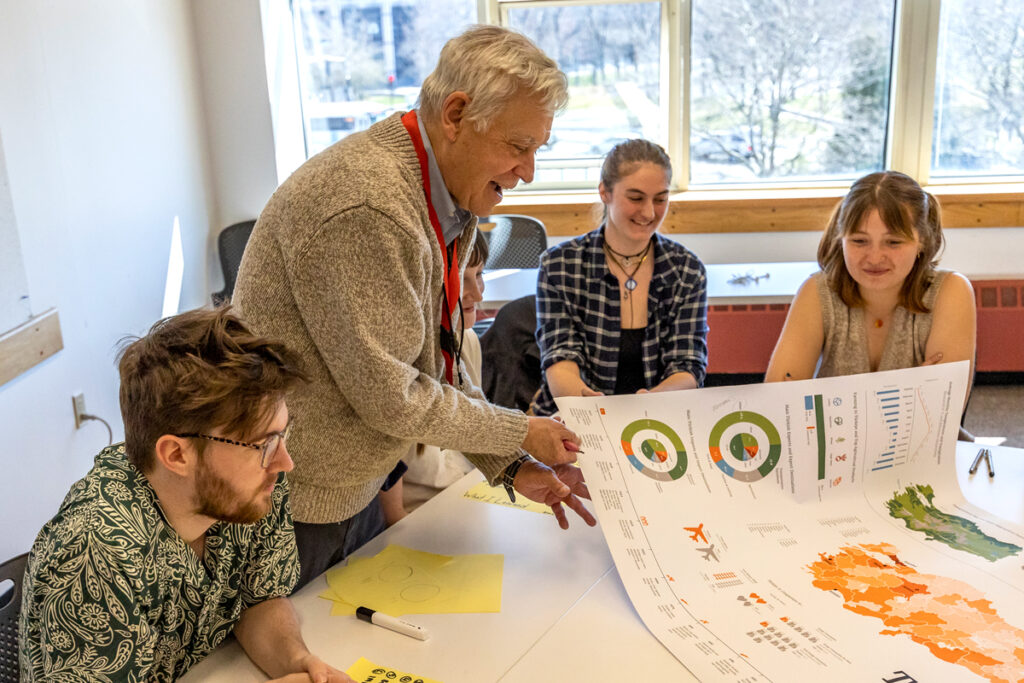
Students engage design research methods and systems thinking to identify and understand audience values, goals, and motivations that guide effective design solutions.

Interactive Design + Original Research

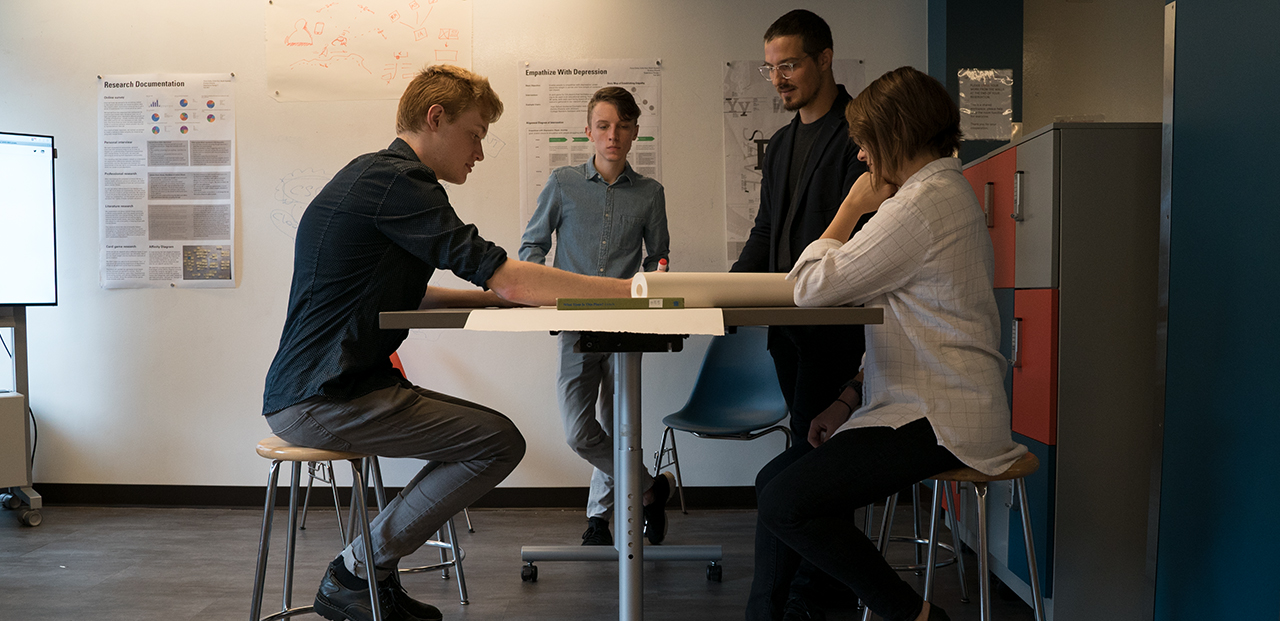
Students create engaging interactive installations using multiple visual languages while developing original thesis research that reveals new understanding of their chosen subject.

Visual Cognition + Design Translation

The program teaches students to combine data sensitivity with design principles, translating complex ideas into compelling graphic forms and visual communications.

Ethical Practice + Cross-Disciplinary Collaboration

The curriculum emphasizes ethical design practices, effective team collaboration, and strong communication skills essential for working across diverse disciplines.

Career Opportunities

Graduates of the Design Master of Fine Arts program will shape how people interact with technology and design in meaningful ways. Our graduates bring deep research skills, systems thinking, and human centered design expertise that make them highly valuable in creating experiences that leave a lasting impression on users. Whether it be designing digital interfaces for major tech companies, developing immersive experiences for brands, or leading research initiatives to inform design and product strategy, they are at the forefront of innovation.  

Our program prepares students for careers such as:

  • Experience designer
  • UX designer
  • Service designer
  • Design researcher
  • Design strategist
  • Design manager
  • Product designer 
  • Product manager
  • Data visualization designer 
  • Data information designer 
  • Data visualization engineer 
  • Frontend developer  

Industries where our students work as designers include:

  • Technology companies
  • Healthcare organizations
  • Media companies 
  • Finance companies
  • Educational organizations
  • Public service and non-profits
  • Creative industries
  • Design agencies and consulting
  • Exhibition and museum design
  • Startups
  • Research institutes

Students

Our students include designers, researchers, and creative professionals who want to lead innovation in user centered design and push the boundaries of visual storytelling and data art. Whether you come from a background in graphic design, psychology, technology, or another related field, this program helps students create meaningful interactions between users and systems.  
After graduation, our alumni have gone on to roles including:

  • American Institutes for Research (Data Visualization + UI Designer) 
  • The Associated Press (Data Visualization Developer)

  • Broad Institute of MIT and Harvard (Data Visualization Developer) 
  • CVS Health (UX Researcher)
  • Fidelity Investments (Director, UX Design) 
  • Financial Times (Digital Designer) 
  • GM Financial (Data Science Engagement Analyst)
  • Google (Product Designer/User Experience Designer)
  • JP Morgan Chase & Co. (UX Research Lead)
  • Literally Helping Startups (Lead UX/UI Designer) 
  • Los Angeles Times (Data and Graphics Journalist) 
  • Mad*pow (Creative Director) 
  • MIT Senseable City Lab (Data Visualization and UX/UI Specialist) 
  • Moderna (Principal UX Designer) 
  • Network Science Institute (Program Manager) 
  • Pinterest (Product Designer and Researcher) 
  • Travelers (Experience Design Lead) 
  • Tufts University (Design Strategist) 
  • University of Pittsburgh Medical Center (Experience Designer) 
  • Valour (Service Designer) 
  • Visa (Data Visualization Designer) 


Art + Design

Resources + Community

Admissions Contact

Program Coordinator

Faculty

Art + Design

Steven Geofrey

Associate Teaching Professor, Coordinator of Creative Coding

Art + Design

Miso Kim

Director of CAMD Masters Programs, Associate Professor